
We see it every day.
Recently, we sat down with a nurse and her husband to talk through their retirement plans. He was eager to retire immediately. She was a bit more cautious—willing to wait, but hopeful that retirement could come sooner rather than later.
They already had an advisor. Or rather, someone who calls himself an advisor but is really just managing their investments and collecting fees.
His advice?
“You can’t afford to retire.”
That was it. No deeper conversation. No questions about their pensions. No acknowledgment that they’re debt-free. Just a glance at their modest investment account and a blanket statement based on generic averages.
We took a different approach.
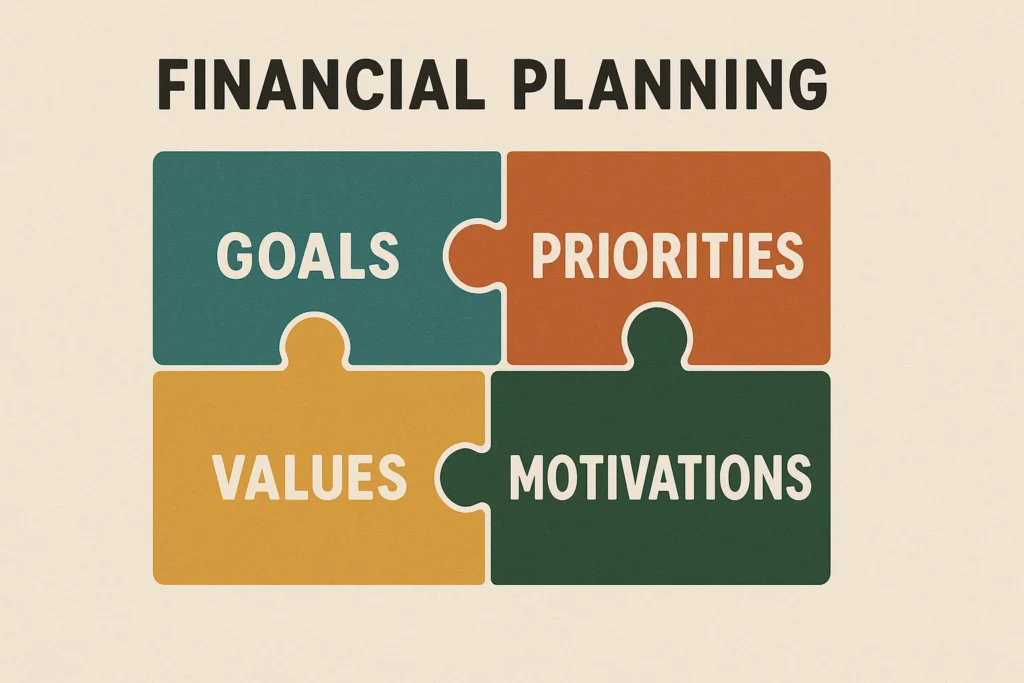
We looked at the full picture—their pension income, Social Security, spending needs, retirement goals, and financial habits. We put all the puzzle pieces together.
And guess what?
They’re in great shape.
Their retirement goals are easily attainable. That was the honest takeaway. And no, that’s not always the case—we only say it when it’s true.
“Can We Really Retire?”
When they came back for a review, she asked a question we hear more often than you might think:
“Can we really retire? How is that possible?”
This kind of doubt is common—even among people who are financially ready. Why? Because we live in a world where casual dishonesty is the norm.
We’re constantly bombarded by fear-based marketing telling us we don’t have enough. We’re told we need more, spend more, invest more. And when it comes from people we’re supposed to trust—like advisors—it makes confidence even harder to find.
It’s no wonder people second-guess the good news.
Casual Dishonesty Is Everywhere
This kind of low-level, everyday dishonesty shows up in far more places than just financial advice. Contractors. Schools. Business partners. Coaches. Developers. Even people who would consider themselves “honest” fall into patterns of exaggeration, omission, or oversimplification.
We call it casual dishonesty—and it’s eroding our ability to trust.
We don’t expect clients to trust us immediately. In today’s world, that would be a lot to ask. But what we do ask is simple:
Block out the noise and focus on your definition of quality of life.
Not what the headlines say. Not what your advisor’s spreadsheet says. Not what your neighbor brags about. What do you value? What brings meaning to your life? What would make this next chapter worth living?
That’s where we start. And sometimes, we go over the plan two or three more times—as many times as it takes—until you begin to believe the truth:
You’ve done the work. You’ve lived within your means.
You don’t need more.