
Personal Finance

VIDEO: Are You Following the Wrong Financial Advice? How to Build a Financial Plan Around Your Goals
Most financial advice is designed for the average person, but what if your life, goals, and priorities aren’t average?

Most financial advice is designed for the average person, but what if your life, goals, and priorities aren’t average?


Are you wondering if you really need a financial advisor or if you can manage your finances on your own?

What happens when life completely changes and your finances have to catch up?

Are you prepared for life’s unexpected challenges?

How much should you really keep in your emergency fund?

This conversation dives into what real financial planning looks like when the challenge isn’t investments or returns, but fear, anxiety, and analysis paralysis.

Most people start financial planning with numbers. But the truth is, your financial plan should start with what matters most to you.
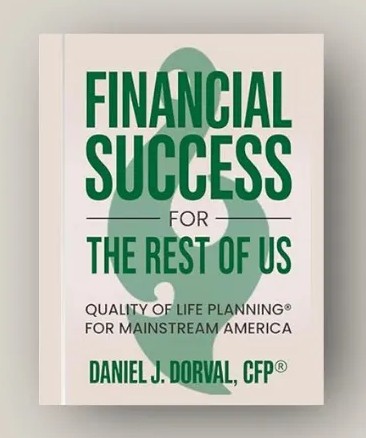
What does it really mean to be financially successful and why does planning matter more than tactics, products, or rules of thumb?

If a large portion of your income comes from bonuses or commissions, your financial plan needs to work differently.

What if money wasn’t the problem… but the lack of a plan? So many people believe that more income, a big bonus, or even winning the lottery would solve their financial stress. But as we’ve seen time and time again, money without direction rarely leads to lasting peace or security.